

 Research & Articles
A Thousand Threads of Kurdish Heritage
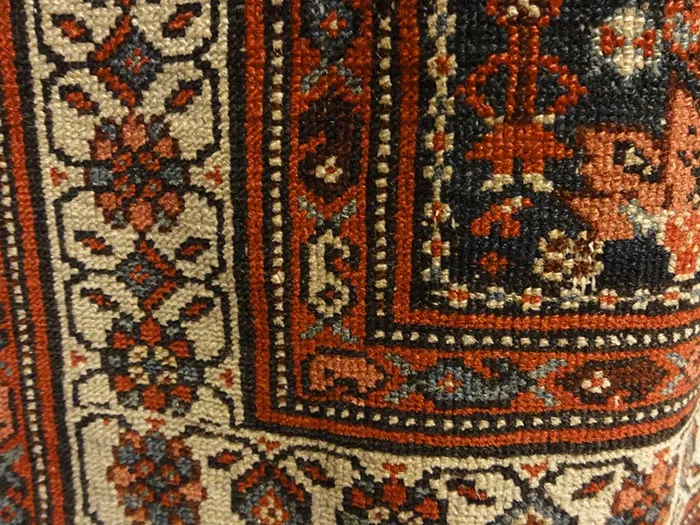
When we look at old Kurdish rugs, we often see them as something traditional, something our grandparents had in their homes. But if you look closely at the colors, shapes, and patterns, you begin to notice just how much creativity went into making them.
What I find most interesting is that people were creating these beautiful designs long before computers or design software existed. Some of these rugs have patterns that could easily be used in modern art, fashion, or graphic design today. In many ways, Kurdish weavers were ahead of their time.
More Than Just a Rug
Rug weaving has been part of Kurdish life for generations, especially in villages and mountain communities. Rugs were made for homes, everyday use, and sometimes to be sold. Some places became known for their own unique designs, with each area developing its own patterns, colors, and weaving styles.
What makes these rugs special is the amount of detail that went into them. Some feature geometric patterns with diamonds, stars, and shapes repeating across the surface. Others have flowers, detailed borders, and unexpected color combinations.
Deep reds, dark blues, warm oranges, soft creams, and earthy browns often appear together. Some rugs have perfectly balanced patterns, while others include small differences that give them their own character.
It's interesting how something made so long ago can still look so beautiful and relevant today.
The Artists Behind the Rugs
This subject is also personal to me because my mother used to make rugs.
Knowing that makes me appreciate the work behind them even more. I think about the patience it must have taken to sit for hours, working with wool and slowly bringing a design together. Every pattern required attention, and even a small rug could take a great deal of time to finish.
My mother was one of many Kurdish women who practiced this craft. For them, weaving was often part of everyday life, something learned from family members and passed down through generations.
But when I look at these rugs now, I see more than a traditional skill. I see women who had a real understanding of design, even if they were never called artists. They knew how to work with colors, arrange shapes, and create something beautiful with their hands.
Their work deserves to be recognized as art, not simply as a household tradition.
Designs That Still Feel Modern
One of the coolest things about old Kurdish rugs is how well their designs have aged.
The geometric shapes, repeated lines, and bold color combinations are similar to things we see in contemporary design. A pattern from an old rug could easily become part of a modern poster, a clothing collection, or an interior design project.
Yet these designs were created through techniques and knowledge passed down over generations. Weavers followed familiar patterns but also made their own choices, sometimes changing colors, adjusting shapes, or adding small details.
This is what gives handmade rugs their individuality. Even when two rugs share a similar design, they don't have to look exactly alike.
An Art Worth Remembering
Today, machines can produce thousands of rugs with identical patterns, but handmade rugs carry the work and creativity of the person who made them. Some took weeks or months to complete, depending on their size and detail.
These rugs are an important part of Kurdish artistic heritage. They show how creativity existed in everyday life, often through the work of women whose names and stories were never recorded.
For me, knowing that my mother was part of this tradition makes it even more meaningful. It reminds me that art doesn't always have to be displayed in a gallery. Sometimes it was made at home, placed on the floor, and used by families for years.
Old Kurdish rugs deserve to be appreciated not only for their history, but for their designs and the people behind them. They were made for everyday life, yet their beauty still stands out generations later.